

Nobody is coming to do it for you
The power of professional self-reliance

When I was assigned to our department’s training academy more than 15 years ago, I felt like I had finally been invited into the room where the department’s best instructors worked. I was eager to learn from seasoned trainers who had spent years shaping new officers, and I assumed that simply working alongside them would make me a better instructor.
That expectation changed as I settled into my new role. The instructors around me were knowledgeable, committed and highly respected. They possessed years of practical experience and genuinely cared about preparing recruits for the realities of policing. As the weeks turned into months, however, I began noticing something I had never expected. Our conversations revolved around case law updates, tactics, policies and stories from the street, but rarely around the craft of teaching itself. We seldom discussed how adults learn, why students retain some lessons and forget others, or how communication and presentation techniques influence learning.
This observation wasn’t a criticism of the instructors I worked beside. In many respects, I was describing myself. Like them, I had spent years becoming a student of policing without ever becoming a student of teaching. Until that point, I had assumed that experience alone naturally translated into effective instruction. It was the first time I recognized that being an experienced officer and being an effective instructor were related skills, but they were not the same skill.
That realization quietly changed the direction of my career. I came to understand that if I wanted to become the instructor I envisioned, I couldn’t rely solely on what my agency provided. Professional development would have to become a personal responsibility.
I began looking well beyond my own department. I joined professional instructor associations, attended conferences whenever I could and invested my own time and money in learning from people I had never worked with. I started reading about adult learning, cognitive psychology, communication, presentation design, leadership and behavioral science. As new technologies emerged, I embraced them as well, including artificial intelligence, because I viewed them as additional tools that could help me become more effective in the classroom. My goal was never to accumulate certificates or credentials. It was to become a better teacher for the officers sitting in front of me.
At the time, I had no idea how significant that decision would become. Looking back, I can trace nearly every meaningful opportunity in my career to that commitment to professional self-reliance. The books I have written, the articles I have contributed to American Police Beat and other publications, the courses I have developed, the agencies I have been privileged to train across the U.S. and internationally, and ultimately the business I now own all grew from a decision I made years earlier inside that academy. No one mapped out that path for me. It began when I accepted responsibility for my own professional growth.
Although this experience began inside a training academy, the lesson extends far beyond instructors. Every officer eventually reaches a point where they must decide whether their professional development will be defined primarily by the opportunities their agency provides or by the opportunities they pursue on their own. Departments have limited budgets, staffing shortages, mandatory training requirements and countless competing priorities. No agency, regardless of how progressive or well-funded it may be, can send every officer to every conference, purchase every worthwhile book, provide every specialized certification or introduce them to every mentor who could influence their career.
The officers I have admired most understood this long before I did. Outstanding investigators studied interviewing techniques beyond what was required. Effective supervisors invested in leadership long before they promoted. Exceptional firearms instructors explored human performance and decision-making alongside marksmanship. The finest trainers I have known became lifelong students of teaching instead of relying exclusively on their operational experience. They all shared one characteristic: they viewed learning as a responsibility rather than a benefit provided by their employer.
That mindset has become even more important as policing continues to evolve. New technologies, changing legal standards, emerging criminal tactics and growing public expectations require today’s officers to adapt more quickly than ever before. Mandatory training remains essential, but it has never been designed to satisfy every professional need throughout an entire career. The officers who continue growing are usually the ones who remain curious long after the required training ends.
One of the most important lessons I learned during my years at the academy had very little to do with lesson plans or classroom management. It was discovering that nobody was coming to build the professional I wanted to become. Accepting that reality wasn’t discouraging. It was liberating, because it placed responsibility for my future exactly where it belonged.
Whether you are a patrol officer with two years on the job, a detective preparing for your next assignment, a newly promoted supervisor or an instructor walking into your first classroom, your agency can provide opportunities, encouragement and support. Ultimately, however, your professional development belongs to you. Looking back, I realize the greatest gift that academy assignment gave me was not learning how to teach. It was learning that my career would never grow beyond my own willingness to invest in it.
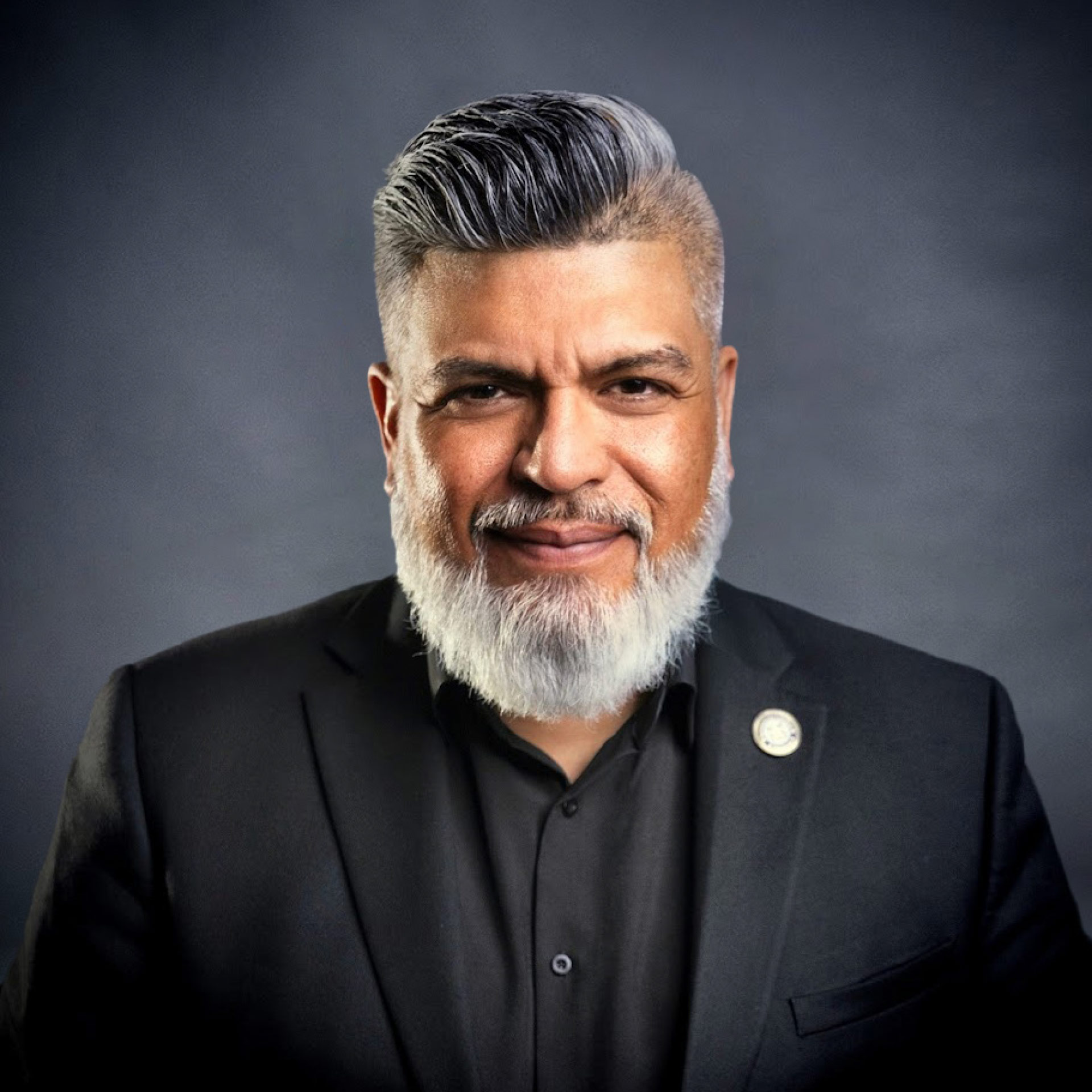
Antonio Zarzoza
As seen in the August 2026 issue of American Police Beat magazine.
Don’t miss out on another issue today! Click below:


